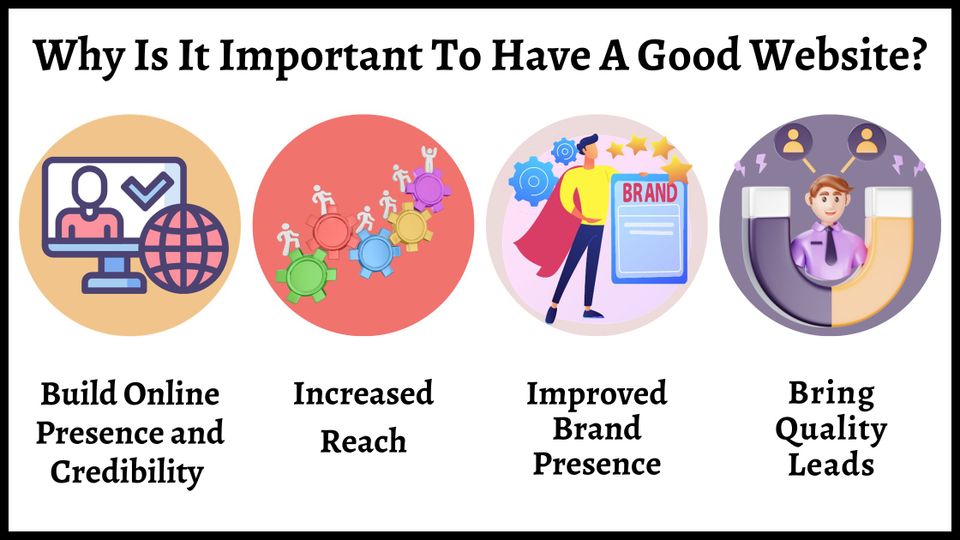
Why a New Website Matters
A customer standing in a parking lot, waiting for an appointment, or comparing local businesses on their phone will not fight with a difficult website. If the text is tiny, the menu is confusing, or the phone number is hard to tap, they move on. A mobile friendly website design service helps prevent that expensive first impression by making your business easy to find, understand, and contact from any screen.
For a small business, mobile design is not a cosmetic upgrade. It is part of how you earn calls, quote requests, appointments, and sales. Your website needs to look professional on a desktop computer, but it also needs to work beautifully in the moment customers are most ready to act: when they have a phone in hand and a problem to solve.Why mobile visitors matter to small businessesMost local searches happen on mobile devices. Someone may search for a contractor after spotting a leak, look up a restaurant while traveling through Cape Cod, or compare accountants between meetings. They are often not researching for hours. They want quick confirmation that you are credible, available, and easy to reach.
That means a mobile visitor should be able to answer a few basic questions in seconds: What do you do? Who do you serve? Where are you located or what areas do you cover? How can they contact you? A strong website puts those answers where people can find them without pinching, zooming, or digging through several pages.
A site that is technically online but frustrating on a phone can quietly cost your business leads. The visitor may never tell you why they left. They simply call the competitor whose site feels clearer and more dependable.What a mobile friendly website design service should deliverResponsive design is the foundation. This means the website automatically adjusts its layout for phones, tablets, laptops, and large desktop screens. Images resize correctly, columns stack in a readable order, buttons remain easy to tap, and navigation stays practical on a smaller display.
But responsive design alone is not enough. A quality mobile friendly website design service considers how real customers behave. A restaurant needs hours, directions, a menu, and an easy way to call. A home service company needs service areas, proof of experience, reviews, and a prominent request form. A professional service provider may need to build trust with credentials, clear service descriptions, and a simple consultation request.
The best design choices depend on your business. A large online catalog needs a different mobile structure than a five-page local plumbing site. The goal is not to squeeze every desktop element onto a small screen. The goal is to guide mobile visitors toward the next useful step.Clear calls to actionOn a phone, your most important actions should be obvious. That might be a tap-to-call phone number, a request-an-estimate button, an appointment form, or directions to your location. These options should appear naturally throughout the site, especially on service pages where visitors are deciding whether to contact you.
A call to action should also match the buying decision. Asking someone to “Get Started” may be too vague. “Request a Free Estimate,” “Schedule a Consultation,” or “Call for Same-Day Service” tells visitors what will happen next.Fast loading pagesSpeed affects trust. A slow page makes a business feel outdated before a visitor reads a single word. Large uncompressed images, unnecessary animations, overloaded plugins, and poor hosting can all slow a site down.
There are trade-offs here. High-quality photography matters, especially when your work is visual, but images should be properly sized and optimized. Decorative effects may look impressive in a design preview, yet they are rarely worth making a customer wait. A well-built site favors useful content and reliable performance over clutter.Easy-to-read contentMobile users scan before they read. Short sections, clear headings, readable font sizes, and enough space between buttons make a site easier to use. Long walls of text and crowded page layouts do not build confidence.
This does not mean your site has to be thin on information. It means the information needs to be organized. Explain your services in plain language, show the benefits, add relevant proof, and give people a clear way to reach you when they are ready.Design for trust, not just clicksGetting traffic is useful only if visitors feel comfortable choosing your business. A polished mobile site supports that decision with practical trust signals: professional branding, current contact details, real service information, customer reviews, photos of your work or team, and secure browsing.
SSL security is especially important. A valid SSL certificate gives your site HTTPS protection and helps visitors feel safer submitting a contact form. Site security should not be treated as a one-time task, either. Software updates, backups, monitoring, and protection against common threats are part of keeping a business website dependable.
For many owners, this is where an all-in-one managed website service makes sense. Rather than trying to coordinate a designer, hosting company, domain registrar, security provider, and technical support person, you have one team responsible for the moving parts. That saves time and reduces the chance that a small issue turns into an unavailable or outdated website.Build mobile design around your customer journeyBefore a website is designed, think about the path a new customer takes. They may first find you in search results, scan your homepage, visit a service page, look for reviews, and then call or submit a form. Each step should feel connected.
Your homepage should quickly introduce the business and its main value. Service pages should explain what you offer and where you work. Contact options should be available without making people hunt. If you serve Sandwich, Cape Cod, or customers across a broader region, your website should clearly communicate those service areas where relevant.
Search engine optimization also belongs in this process. Search engines and human visitors both benefit from pages with clear topics, useful service descriptions, logical headings, and a mobile-responsive structure. SEO is not a shortcut to instant rankings, and no honest agency should promise a specific placement. It is the ongoing work of making your site understandable, relevant, and technically sound.A simple process lowers the riskSmall business owners are often hesitant to invest in a new website because they have been burned before. Maybe a project dragged on for months, the final site did not reflect the business, or surprise charges appeared after the initial quote. Those concerns are reasonable.
A better process lets you review the direction before taking on design risk. Site Swami offers a free custom design demo so business owners can see a proposed website before paying for setup. You provide the core details about your company, review the design, and move forward only if it feels like the right fit.
Once approved, the website can be built with the essentials handled together: mobile-responsive design, managed hosting, SSL security with 256-bit HTTPS encryption, maintenance, updates, analytics, domain assistance, and ongoing support. A one-time setup fee plus a predictable monthly service fee is easier to budget for than a confusing collection of technical invoices.Signs your current site needs attentionA redesign may be worth considering if your website was built years ago, looks different on phones than on computers, has an outdated logo or service list, loads slowly, or makes it difficult to contact you. You should also take a closer look if customers regularly ask questions that your site ought to answer, such as your hours, service area, pricing approach, or availability.
Here are four quick checks you can perform from your own phone:
Open your homepage using cellular data, not just office Wi-Fi, and see how quickly it appears.
Try to call your business, request an estimate, or find directions without scrolling excessively.
Read a service page without zooming in or rotating the screen.
Ask whether the page gives a new visitor a reason to trust you within the first few seconds.
If any of these steps feels awkward, your prospects probably feel it too.Choose a service that stays involvedLaunching a website is only the beginning. Your phone number may change, you may add a service, a staff member may need help updating content, or the software behind the site may require maintenance. A low upfront price is not a bargain if you are left alone with technical problems afterward.
Look for clear pricing, a realistic delivery timeline, responsive support, and a provider that explains what the monthly service includes. Ask who handles hosting, security, backups, updates, and domain renewals. Those details matter because they protect the website you have paid to build.
Your website should make it easier for a customer to choose you on the screen they use most. When it is fast, clear, secure, and built around real customer actions, it becomes less of a technical burden and more of a dependable part of your business.